
Stop Obsessing Over Heavy Topspin
Why A Loopy Shot Is A Thing Of The Past
2/25/20263 min read
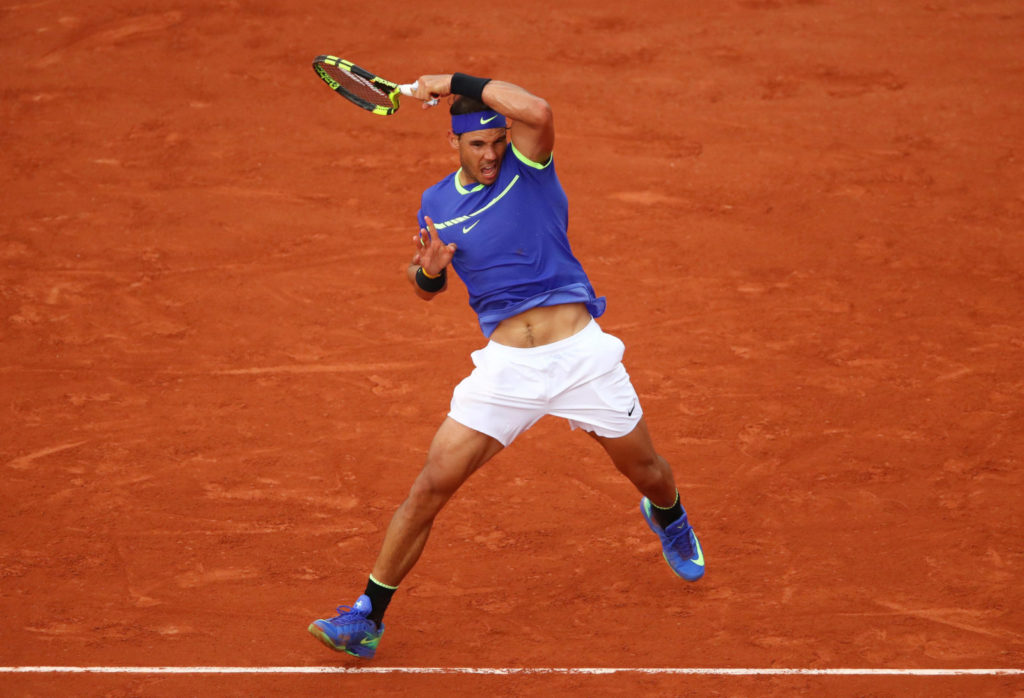
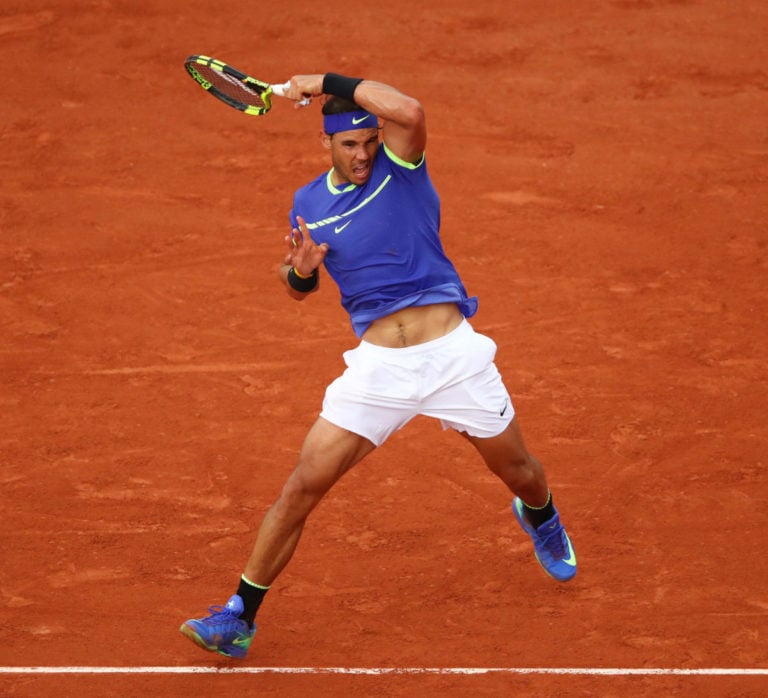
If you want to have more control in your groundstrokes, it’s going to be very helpful to apply topspin on the ball. How are you going to create topspin? Well, you have to go low to high on your forehand, and you have to go low to high on your backhand. When you apply topspin, there’s more of a likelihood that the ball will drop inside the baseline. This is also true when you start hitting harder. When you have topspin, you have more chances to hit hard and have balls go in versus having a flatter stroke.
Spin Racquets
Unfortunately, in recent times, many recreational players are obsessed with topspin, which is leading to some problems. Now, some players are obsessed with spin rackets, so they buy rackets that supposedly produce a lot of topspin. But you have to understand that no racket produces topspin on its own if you don’t have a topspin swing path. If you hit the ball very straight, it doesn’t matter if you’re playing with a topspin racket; you’re not going to get any topspin. You actually have to apply topspin to get topspin.
And how are you going to do that? You have to go low to high. Whether it’s your forehand or your one-handed or two-handed backhand, when you go low to high, you will generate topspin. And you don’t necessarily have to do the windshield-wiper motion. You can have what I call a flat-topspin forehand and backhand, which you see a lot on the pro tours, especially on the two-handed backhand.
Pro RPMs
When it comes to spin obsession, people are more specifically obsessed with generating heavy topspin. Here are the facts: the best players in the history of tennis all hit their forehands with a tremendous amount of spin — Novak Djokovic, Rafael Nadal, Roger Federer, Carlos Alcaraz, and Jannik Sinner. All these players have tremendous speed on their forehand, as well as tremendous RPM.
Recreational Obsession
But unfortunately, a lot of recreational players get obsessed with trying to hit a forehand like that — and this is where problems start. What you have to realize is that contact with the ball is over in mere milliseconds. Players want to do the windshield-wiper finish, a vertical finish in which the tip of the racket goes up and around. This is indeed the swing path you’ll see from players like Sinner or Alcaraz. The steepness differs from player to player. Federer and Sinner are more diagonal, as is Alcaraz, while Nadal is steeper because he hits higher over the net. But all of these forehands share a vertical swing path.
Recreational players want to copy this, but because contact happens so quickly, the only way to consciously manufacture that swing path is by slowing the stroke down and abruptly shortening it. That’s the only way to manipulate the racket vertically over the ball — and when you do that, several things happen. You hit the ball very thin, and you lose penetration and power.
On the backhand, you shouldn’t worry about generating heavy topspin with two hands because most two-handed backhands use a flatter topspin swing path. Some players create more spin, but the majority do not exaggerate that vertical motion. On the one-handed backhand, there’s more freedom so that players can generate heavier topspin more easily. But even there, I sometimes see players flip the racket over too much.
Most commonly, I see this problem on the forehand, where players roll over the ball, shorten their swing, lose control and penetration, and gain spin, but not heavy topspin. It’s thin topspin. When you roll over the ball like that, it’s very difficult to generate power. And another risk is injury; this type of forehand puts strain on the forearm, elbow, and wrist.
Groundstroke Finish
So what should you do if you want heavier topspin? You shouldn’t chase heavy topspin. Even in modern tennis, there is a range; some players produce more RPM, some less. Don’t try to copy the exact numbers of Alcaraz or Sinner.
Instead, simply intend to finish your racket a certain way. Yes, coming underneath the ball helps. But you want freedom around contact — don’t slow down. Accelerate and intend to finish upward. I like finishing with the racket flipping over so the back of the hand points toward the body. This promotes a more vertical swing path.
Final Thoughts
Another helpful method is recalibrating the contact point. Take the backswing out. Start at contact and practice the finish. This builds feel and control of the swing path. Do many reps, then gradually move farther back and reintroduce the backswing. Over time, you’ll naturally develop a more vertical path and a heavier forehand.
And remember, it’s not wrong to hit flat strokes. If you’re an old-school player and it works, keep doing it. But if you hit flat and make many mistakes, then adding more topspin can help both your forehand and backhand.